You might be wondering — really, fax? Isn’t that ancient technology just collecting dust in a corner somewhere? Surprisingly, fax machines are still alive and kicking, especially in the legal and financial worlds. While email and cloud storage have revolutionized communication, fax retains a stronghold in these sectors. Why? Let’s unpack the reasons and discover why fax remains relevant despite all the fancy digital tools out there.
The Evolution of Communication in Legal and Financial Fields
Communication in the legal and financial sectors has undergone tremendous transformation over the years. What started as formal letters exchanged via postal services gradually shifted towards faster methods like telephone calls and eventually emails. In recent times, instant messaging, video conferencing, and cloud-based file sharing platforms have become standard tools for quick and efficient communication. These innovations have revolutionized how professionals interact, speeding up workflows and making information more accessible than ever before.
Despite this surge in digital communication, fax machines have surprisingly maintained a steady presence in legal and financial institutions. While it might seem outdated compared to email or cloud storage, fax remains a trusted medium for transmitting sensitive documents. Its continued use is partly because it bridges the gap between physical paper documentation and electronic transmission, giving it a unique niche where both security and legality matter deeply.
One reason for fax’s enduring role is its ability to provide a verifiable transmission trail. Legal and financial professionals often deal with documents that require signatures, timestamps, and proof of delivery. Fax machines send documents directly over phone lines, offering immediate confirmation of receipt, which many digital systems still struggle to replicate with the same level of trust. This reliability makes fax a preferred option in cases where timing and authenticity are critical.
Moreover, the cautious nature of these industries means that change happens gradually. Institutions tend to rely on tried-and-tested methods to ensure compliance with regulatory requirements and maintain client trust. Fax, in many ways, fits perfectly within this framework. It offers a blend of old-school tangibility and secure transmission that aligns well with the rigorous demands of legal and financial communications. So, while technology evolves at a rapid pace, fax remains a dependable tool that continues to play a vital role behind the scenes.
The Enduring Role of Fax in Legal and Financial Sectors
Fax technology has been a staple of communication since the 1960s, making it one of the oldest electronic means of transmitting documents. Despite the rapid advancement of newer technologies, fax continues to hold a significant place in legal and financial environments. Its persistence can be attributed to several important factors that keep it relevant and trusted in these sectors.
- Legally Recognized Signatures: One of the main reasons fax remains indispensable is that faxed documents, especially those bearing handwritten signatures, are often accepted as legally binding evidence. Unlike scanned or emailed copies, fax transmissions have a stronger standing in many courts and regulatory bodies, where the authenticity of signatures and the original form of documents is crucial.
- Enhanced Security and Privacy: Fax machines transmit documents over telephone lines instead of the internet. This means that faxing bypasses many of the vulnerabilities associated with online communication, such as hacking, phishing, or data breaches. For industries that handle sensitive financial or legal information, this added layer of security is invaluable and often a compliance requirement.
- Reliable Transmission with Immediate Confirmation: Fax technology allows documents to be sent in real-time with an immediate delivery confirmation. This reduces the risk of lost or undelivered messages that can occur with emails caught in spam filters or internet outages. In legal and financial transactions where timing and proof of delivery matter, this reliability ensures smoother workflows and minimizes disputes.
- Compliance with Regulatory Mandates: Many legal and financial regulations still require hard-copy or faxed documentation for official records, audits, and compliance checks. Faxing meets these standards by providing a verifiable, time-stamped method of document submission. This ensures institutions stay aligned with strict regulatory frameworks that govern document handling and record keeping.
- Preservation of Document Integrity: Faxed documents often maintain a higher degree of original formatting and detail compared to digital copies, which might lose quality or metadata during scanning or file conversion. This is especially important when precise document reproduction is necessary for contracts, legal filings, or financial statements.
- Ease of Use and Accessibility: Despite its age, fax technology remains simple to operate and accessible, especially for organizations that have invested heavily in fax infrastructure over the years. It doesn’t require complex setups or high-speed internet connections, making it a practical tool even in locations with limited digital infrastructure.
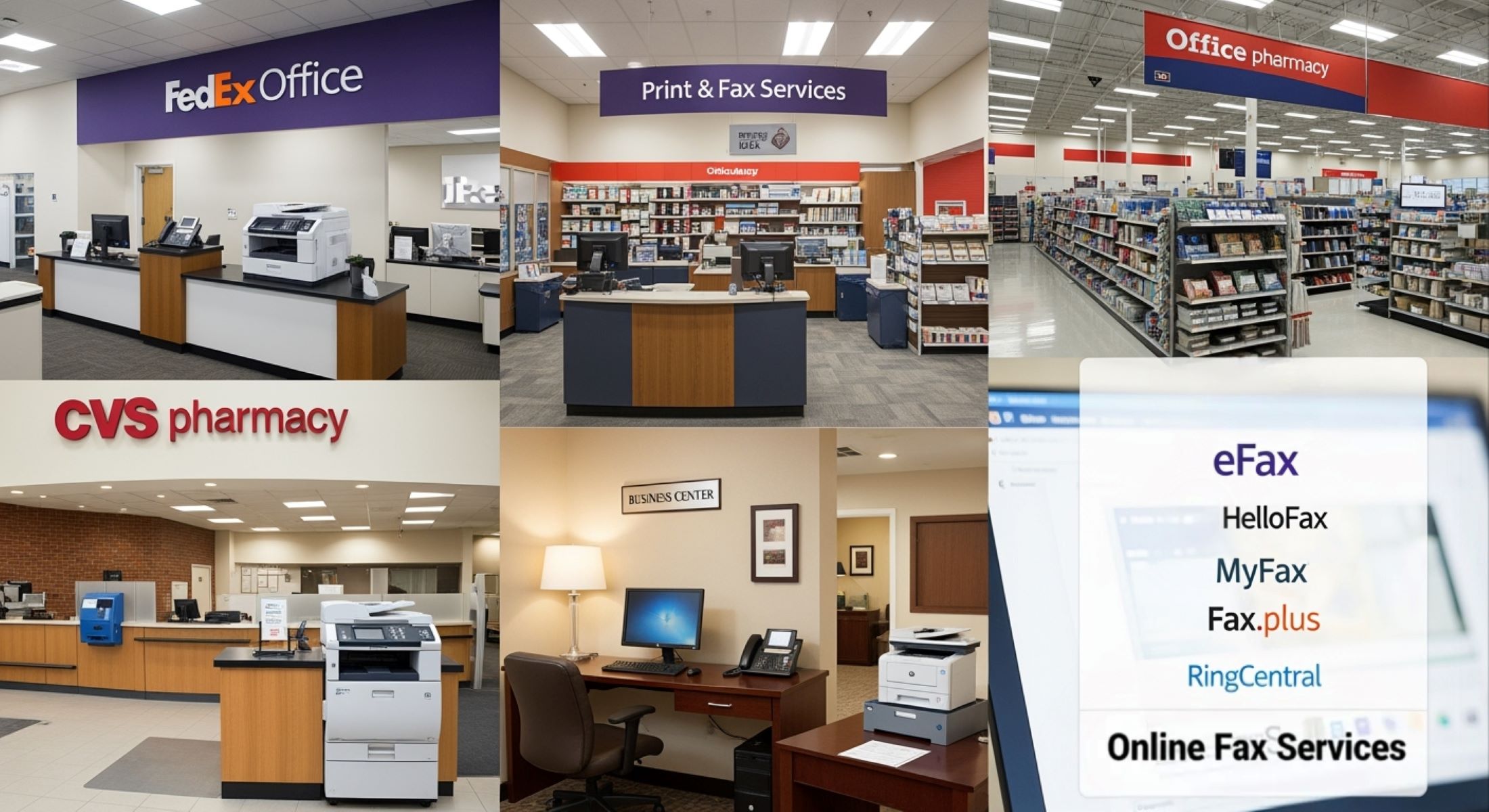
- Integration with Modern Systems: Fax technology has evolved beyond standalone machines. Modern online fax services allow users to send and receive faxes via email or web portals while retaining all the traditional benefits of fax. This hybrid model enables legal and financial professionals to stay compliant without sacrificing convenience.
The Legal Sector’s Love Affair with Fax
| Aspect | Why It Matters in Legal Sector | Fax Advantages | Digital Alternatives | Comparison & Notes |
| Signed Documents | Signed contracts and filings are essential for legal validity and enforceability. | Faxed documents with handwritten signatures are widely accepted as credible and legally binding in many jurisdictions. | Digital signatures are growing in acceptance but face varying legal recognition depending on location. | Fax signatures carry a traditional, tangible weight that some courts still prefer over electronic signatures. |
| Court Filing & Timestamping | Accurate timestamping is critical for filings, especially in time-sensitive cases. | Fax machines provide real-time transmission timestamps, serving as proof of submission time. | Email timestamps can be manipulated or delayed; some digital systems provide secure timestamps but vary by court. | Fax timestamps are simple, immediate, and trusted, making them valuable for urgent legal filings. |
| Confidentiality & Security | Law firms handle highly sensitive client and case information requiring strict privacy. | Fax transmits over secure phone lines, reducing risks of interception, phishing, or hacking. | Emails and cloud systems are vulnerable to cyberattacks, phishing, and data breaches. | Fax provides a safer, more controlled channel for confidential transmissions than most online alternatives. |
| Document Control & Integrity | Maintaining original formatting and preventing alterations is vital for legal evidence. | Fax preserves document formatting and reduces the risk of unauthorized edits after transmission. | Digital documents can be altered without detection if not properly secured. | Faxed documents offer a level of document integrity that digital copies sometimes lack without advanced security. |
| Compliance & Regulation | Legal regulations often mandate the use of physical or verifiable document copies. | Fax meets regulatory standards for document submission, maintaining verifiable records with transmission reports. | Some digital solutions comply, but acceptance varies; many require additional certification or encryption. | Fax provides a straightforward compliance tool widely accepted by courts and legal authorities. |
Financial Sector’s Dependence on Fax
In the financial sector, where mountains of paperwork are processed daily, fax remains a vital communication tool despite the rise of digital alternatives. Banks, insurance companies, and other financial institutions rely heavily on fax for sending and receiving sensitive documents quickly and securely. The sheer volume of transactions and the critical nature of the information being exchanged demand a method that is both reliable and compliant with industry standards. Fax, with its proven track record, continues to fill that role effectively.
One of the main reasons fax is still widely used in finance is regulatory compliance. Financial regulators often require original or certified copies of documents during audits and routine compliance checks. Faxing provides a verifiable transmission trail, which allows institutions to submit these documents instantly while maintaining proof of delivery and receipt. This is crucial in an environment where any lapse in documentation can lead to serious legal or financial consequences. Fax helps ensure that audit requirements are met promptly and transparently.
Many financial transactions depend on signed authorizations, such as wire transfers, loan approvals, and insurance claims. Maintaining the integrity of these signatures is paramount, and fax serves as a trusted way to transmit these signed documents without risking alterations or tampering. Unlike scanned or emailed copies, faxed signatures are often treated as original legal evidence, giving financial institutions the confidence that their authorization processes are secure and binding.
In addition to legal and regulatory reasons, security plays a huge role in fax’s ongoing relevance. Cybersecurity threats continue to grow in sophistication and frequency, making the transmission of confidential financial information over the internet risky. Fax lines, which use telephone networks instead of online channels, reduce exposure to hacking and cyberattacks. This makes fax an attractive option for sending sensitive financial documents in risk-heavy environments, providing an extra layer of protection that many digital communication methods cannot guarantee.
Fax vs. Digital Alternatives – What Makes Fax Stand Out?
In today’s fast-paced world, digital communication tools like email, PDFs, and cloud storage dominate because of their convenience and speed. Yet, fax still manages to hold its ground in certain industries. Here’s a detailed list of reasons why fax continues to have an edge over digital alternatives:
- Fax uses traditional phone lines for transmission, which makes it less vulnerable to cyberattacks, hacking, or malware compared to email and cloud services that rely on internet connectivity. This physical line connection adds an extra layer of security that digital methods can’t easily replicate.
- The legal acceptance of faxed documents remains strong in many jurisdictions. Faxed papers, especially those with handwritten signatures, are often considered legally binding evidence in courts and regulatory agencies. In contrast, digital signatures and electronic documents sometimes face scrutiny or inconsistent acceptance, depending on regional laws.
- Fax technology offers real-time confirmation of delivery. When you send a fax, you usually receive an immediate transmission report confirming whether the document was successfully sent and received. Emails and cloud uploads, on the other hand, can get lost in spam folders, be blocked by filters, or remain unread without clear proof of delivery.
- Faxed documents tend to preserve the original formatting and integrity of signatures better than digital copies. While digital signatures vary in acceptance and security standards, a faxed signature holds a tangible credibility that reassures many legal and financial professionals.
- Accessibility is another factor. Traditional fax requires access to a fax machine or an online fax service, which might feel limiting compared to emails or cloud platforms that anyone with an internet connection can access from virtually anywhere in the world. Despite this, many organizations prioritize fax’s security and reliability over sheer convenience.
- Fax transmission is less dependent on internet speed or connectivity quality. In areas or situations with unreliable internet, fax lines provide a dependable communication channel, ensuring that important documents reach their destination without delay.
- Fax also minimizes the risks of phishing or email spoofing scams, which are common threats in digital communication. Because fax relies on direct phone lines rather than open internet channels, it offers a safer way to transfer sensitive or confidential information.
Modern Fax: From Machines to Online Fax Services
| Feature | Traditional Fax Machines | Online Fax Services | Benefits for Legal Professionals | Benefits for Financial Professionals |
| Equipment Requirements | Requires dedicated fax machine and telephone line | Accessible via email or web browser; no machine needed | Eliminates bulky equipment, freeing office space | Reduces infrastructure costs and maintenance |
| Document Handling | Paper-based; physical prints needed | Digital documents can be faxed and stored electronically | Enables instant sending of signed contracts and filings | Streamlines loan approvals and claim submissions |
| Security | Transmission over phone lines; low cyber risk | Encrypted internet transmission with secure servers | Ensures confidentiality of sensitive legal documents | Meets compliance standards for financial data privacy |
| Accessibility & Mobility | Limited to location of fax machine | Accessible anywhere with internet access | Facilitates remote work and off-site legal consultations | Supports mobile financial professionals and remote audits |
| Compliance & Record Keeping | Paper copies stored physically | Digital archives with searchable and organized files | Simplifies legal audits and easy retrieval of case documents | Enhances compliance through automatic audit trails |
The Regulatory Framework Supporting Fax
Regulatory frameworks in critical sectors such as legal, financial, and healthcare industries often evolve slowly, especially regarding document handling and communication methods. Fax technology has managed to maintain its relevance largely because many of these regulations explicitly or implicitly support its use. Laws that govern sensitive data transmission and record-keeping tend to emphasize security, authenticity, and traceability—areas where fax continues to perform reliably.
In healthcare, for example, the Health Insurance Portability and Accountability Act (HIPAA) plays a major role in protecting patient privacy and sensitive health information. Although digital communication methods are increasingly common, many healthcare-related financial transactions still depend on fax transmissions. This is because fax provides a secure way to transmit protected health information (PHI) without exposing it to the vulnerabilities often associated with internet-based communications. Fax lines, running through telephone networks rather than the internet, reduce risks of data breaches and help organizations remain compliant with HIPAA requirements.
The financial sector is similarly influenced by strict regulatory demands, such as those mandated by the Sarbanes-Oxley Act (SOX). SOX requires companies to maintain rigorous standards for the documentation and retention of financial records, and faxed documents frequently serve as original evidence in audits and compliance investigations. Because fax transmissions provide verifiable proof of delivery and preserve document integrity, they are often accepted as legitimate records that meet these legal standards. This makes fax indispensable for financial institutions striving to adhere to federal regulations.
Overall, the regulatory environment supporting fax is shaped by a need for secure, reliable, and legally accepted documentation methods. Until regulations catch up with the rapid evolution of digital technologies—or until those technologies consistently demonstrate the same level of security and trust—fax will continue to play a critical role in industries where compliance is non-negotiable. Its ability to meet the stringent requirements of HIPAA, SOX, and similar regulations ensures fax remains a key tool in safeguarding sensitive information and maintaining accountability.