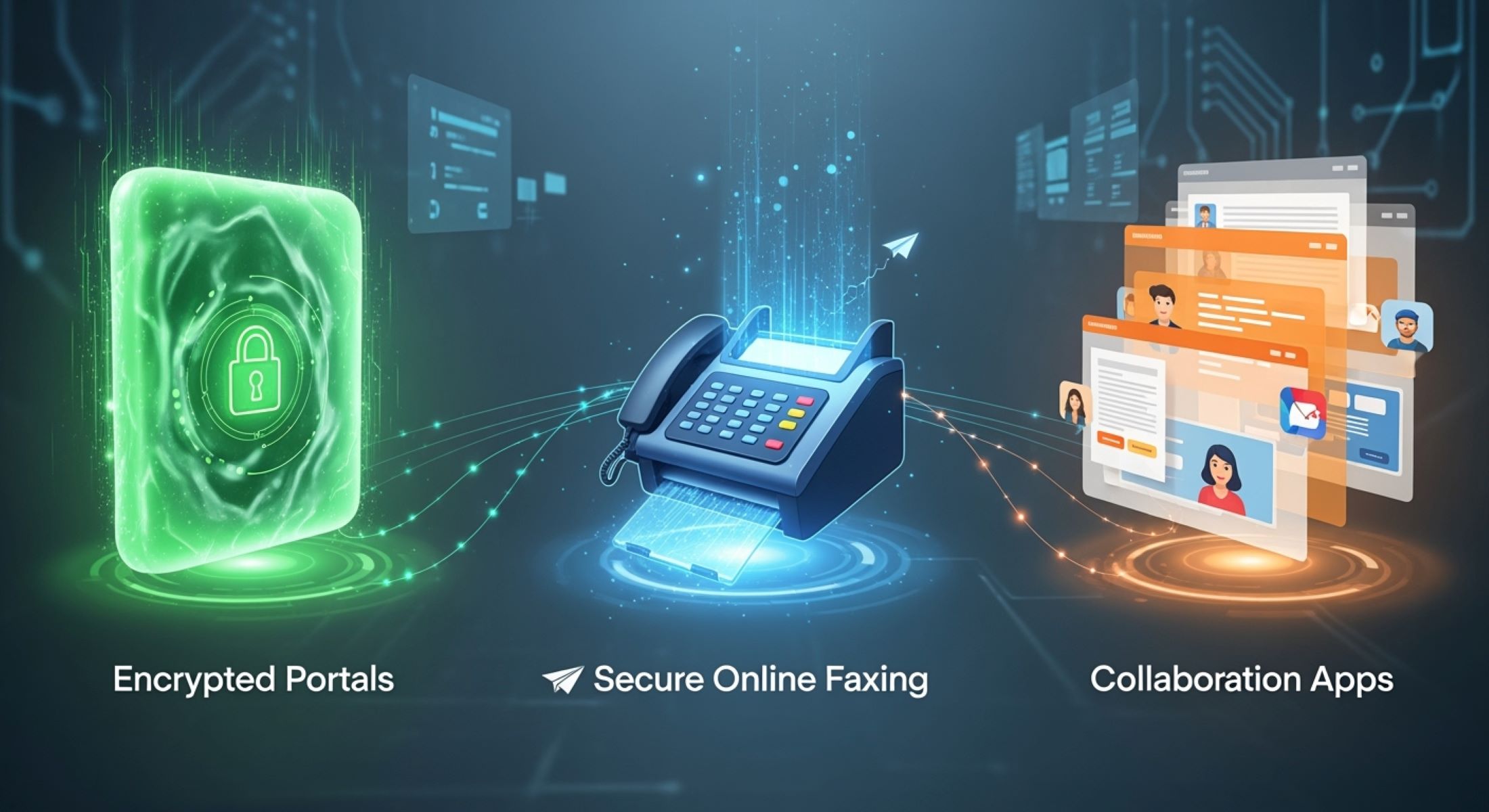
When it comes to sending documents online, protecting client data isn’t just a good idea—it’s a must. Think about it: you’re handling sensitive info, personal details, maybe even financial or legal papers. Sending these files without care can lead to leaks, breaches, or worse. So how do you keep that data safe in this fast-paced digital world? Let’s dive deep and explore practical, effective ways to protect client data when sharing documents online.
Understanding the Risks of Sending Documents Online
Before diving into how to protect client data when sending documents online, it’s crucial to first grasp why this process carries inherent risks. Sending documents digitally might seem quick and convenient, but it opens the door to a variety of security challenges. When files travel across the internet, especially without proper safeguards, they can be intercepted or exposed to unauthorized parties. This can lead to sensitive client information falling into the wrong hands, which could cause reputational damage, legal issues, or financial losses. So, understanding the potential risks helps you prepare better and avoid costly mistakes.
One of the biggest dangers is data interception. When documents are sent over unsecured networks or through unencrypted channels, hackers can potentially capture that data mid-transfer. This means someone could be silently eavesdropping on your connection and stealing information without you even realizing it. Public Wi-Fi networks, for example, are notorious hotspots for such interceptions because they lack strong security protocols. Without encryption, your document is essentially traveling in plain sight, vulnerable to prying eyes.
Another significant risk involves unauthorized access. If files are shared without strict access controls, anyone with the link or access credentials might view or even alter the documents. This can happen if sharing settings are too lax, or if passwords and permissions aren’t set correctly. In some cases, employees or clients might accidentally forward sensitive documents to unintended recipients, causing data leakage. Such mistakes might be honest slips but can have serious consequences if confidential data is exposed outside the trusted circle.
Phishing scams and malware infections further complicate matters. Cybercriminals often disguise themselves as trusted contacts and send malicious files that look legitimate but actually infect your system or steal your data once opened. This tactic preys on human error and trust, making it critical to be vigilant about the source and content of documents you send or receive. Understanding these varied risks — interception, unauthorized access, accidental leakage, phishing, and malware — is like spotting the hidden traps on a path. Only by recognizing these dangers can you take the right steps to safeguard your client data when sharing documents online.
Key Principles for Protecting Client Data
| Principle | Definition | Importance | Practical Examples | Common Challenges |
| Confidentiality | Ensuring data is only accessible to authorized users. | Prevents unauthorized disclosure of sensitive information. | Using encryption for document transfer; password protection. | Weak passwords, unsecured networks, improper sharing settings. |
| Integrity | Guaranteeing that data remains unaltered and intact during transit. | Maintains trustworthiness and accuracy of documents. | Applying digital signatures; checksums; secure file transfer protocols. | Data tampering, transmission errors, malware altering files. |
| Availability | Ensuring that authorized users can access data when needed. | Avoids disruption of business processes and client services. | Cloud storage with reliable uptime; backup solutions. | System outages, denial-of-service attacks, accidental deletion. |
| Authentication | Verifying the identity of users accessing the data. | Prevents unauthorized access by confirming user identity. | Multi-factor authentication (MFA); secure login procedures. | Credential theft, phishing attacks, weak authentication methods. |
| Accountability | Keeping logs and records of who accessed or modified data. | Enables tracing and auditing to detect breaches or misuse. | Access logs; audit trails; monitoring user activity. | Lack of monitoring, insufficient logging, data privacy concerns. |
Best Practices for Secure Document Sharing
When it comes to sharing documents online, taking the right security measures can make all the difference between keeping client data safe or exposing it to risk. Here’s a detailed list of best practices to ensure your document sharing stays secure and trustworthy.
- Always use encrypted communication channels to protect data in transit. Encryption acts like an invisible, unbreakable lock that shields your documents from prying eyes during transfer.
- Implement Secure Sockets Layer (SSL) or Transport Layer Security (TLS) protocols when sending documents through web platforms. These protocols create a secure tunnel, preventing interception.
- Avoid sending sensitive documents over unsecured email services. Instead, choose email providers or platforms that offer end-to-end encryption, so only the intended recipient can read the contents.
- When using public or unsecured Wi-Fi networks, always connect through a reliable Virtual Private Network (VPN). This masks your internet activity and protects your files from being intercepted on shared networks.
- Password protect your documents before sending. This adds an additional barrier, ensuring only those with the password can open or edit the files.
- Create strong and unique passwords for each document. Avoid common words or predictable combinations; instead, use a mix of letters, numbers, and special characters.
- Share passwords through separate, secure communication channels. For example, if you send a file via email, share the password via a phone call or text message to reduce the risk of both being compromised.
- Update passwords regularly, especially if documents remain accessible for long periods or after multiple recipients have accessed them.
- Use file formats that support built-in encryption and password protection, such as PDF or Microsoft Office files.
- Limit the time period during which shared documents are accessible. Set expiration dates on shared links or passwords to reduce long-term exposure.
- Control access permissions strictly, giving users only the rights they need, such as view-only or download-only, to prevent unauthorized editing or redistribution.
- Regularly audit and review shared files and permissions to revoke access once documents are no longer needed.
- Educate your team and clients on secure document sharing practices, emphasizing the importance of password protection and recognizing suspicious links or requests.
- Avoid storing sensitive documents on public cloud folders without adequate security controls or permissions.
- Use secure file transfer services specifically designed for sensitive data, which often include encryption, access control, and activity monitoring features.
- Always verify the recipient’s email or contact information before sending documents to avoid accidental leaks to the wrong person.
- Consider using digital signatures to verify document authenticity and integrity during sharing.
- Enable two-factor authentication (2FA) on platforms used for sharing files to add an extra layer of protection against unauthorized access.
- Encrypt backup copies of shared documents to protect against data loss or breach in case of storage compromise.
- Stay updated on security patches and software updates for the tools and platforms you use to share documents to protect against vulnerabilities.
Choosing the Right Tools to Send Documents Safely
In today’s digital landscape, there is an overwhelming number of tools and platforms available for sending documents online, but not all of them provide the same level of security or ease of use. Choosing the right tool is crucial because it affects how well your client’s sensitive data is protected throughout the sharing process. A secure platform should not only encrypt your documents but also offer user-friendly features that make sharing convenient without compromising safety. Understanding the different options can save you from potential data breaches and costly mistakes.
Popular secure document sharing platforms vary in their security features, ease of use, and pricing models. For instance, Dropbox Business is widely known for its robust security measures, including SSL/TLS encryption, 256-bit AES data protection, and two-factor authentication. These features provide multiple layers of defense against unauthorized access, making it a preferred choice for many businesses. However, it comes with paid plans, which might be a consideration for those on a tight budget. Still, the investment often pays off by reducing the risk of data loss or theft.
Google Drive is another major player, offering TLS encryption, two-step verification, and granular file-sharing controls that help users restrict who can view, edit, or share documents. It strikes a good balance between high security and ease of use, with the added benefit of free storage options and affordable paid plans for larger needs. Meanwhile, Microsoft’s OneDrive provides SSL/TLS encryption alongside a personal vault feature for storing sensitive files separately. Its interface is familiar to many users, especially those already in the Microsoft ecosystem, but its security features rank medium compared to more specialized services.
Other options like ProtonMail and SendSafely focus heavily on end-to-end encryption, which means your documents are encrypted on your device and only decrypted by the recipient. ProtonMail is popular for encrypted email attachments, offering both free and paid plans, making it accessible to a wide audience. SendSafely specializes in secure file transfers with features like file expiration and password protection, but it is primarily available as a paid service. Picking a platform with strong security features and the right usability for your needs can prevent headaches down the road—whether it’s accidental data exposure, unauthorized access, or compliance issues. The key is to balance convenience with protection to keep client data truly safe.
Implementing Access Controls
| Access Control Aspect | Definition | Benefits | Practical Examples | Potential Challenges |
| Set User Permissions | Assign specific access rights to individuals or groups | Prevents unauthorized viewing or editing | Granting “view-only” or “edit” rights; restricting downloads | Misconfigured permissions; accidental over-sharing |
| Expiry Dates on Access | Define a time limit after which access to documents expires | Limits long-term exposure and reduces risk of leaks | Setting link expiration on shared files; timed password validity | Forgetting to update expiry; users needing extended access |
| View-Only Restrictions | Allow users to see documents without downloading or printing | Reduces risk of data leakage or unauthorized distribution | Sharing Google Docs or PDFs with “view-only” mode | Users may need offline access; potential workarounds |
| Two-Factor Authentication (2FA) | Requires an additional verification step beyond password | Adds a strong layer of security to prevent unauthorized access | SMS codes, authenticator apps, hardware tokens | User inconvenience; lost devices or access delays |
| Audit Logging and Monitoring | Tracking and recording who accessed or modified documents | Enables detection of suspicious activity and accountability | Access logs in Dropbox, Google Drive activity reports | Large data volume to review; privacy concerns |
Secure Your Devices and Networks
Protecting client data doesn’t stop at encrypting documents or choosing secure platforms. Often, the weakest link is the device or network from which the data is accessed or sent. Ensuring your devices and networks are secure is just as crucial to maintaining overall data protection. Here is a detailed list of important steps you should take to secure your devices and networks when sending documents online.
- Regularly update all software on your devices, including operating systems, browsers, and any applications you use for document sharing. Updates often contain critical security patches that fix vulnerabilities hackers could exploit.
- Install and maintain reliable antivirus and anti-malware tools. These programs detect and remove malicious software that might steal or corrupt your data without your knowledge.
- Enable automatic updates wherever possible to ensure you never miss important security fixes.
- Avoid using public or unsecured Wi-Fi networks when sending sensitive documents. Public Wi-Fi can be easily intercepted by cybercriminals, putting your data at risk during transmission.
- When you must use public Wi-Fi, always connect through a trusted Virtual Private Network (VPN) to encrypt your internet traffic and hide your activity from potential eavesdroppers.
- Use only trusted, password-protected Wi-Fi networks, preferably your home or work network, which are less likely to be compromised.
- Regularly change your Wi-Fi passwords and use strong, complex combinations that are hard to guess.
- Disable automatic connection to open Wi-Fi networks on your devices to prevent accidental exposure.
- Secure your devices physically by locking screens when not in use and avoiding unattended devices in public places to reduce the risk of unauthorized access.
- Use device encryption features available on smartphones, tablets, and computers to protect stored data in case your device is lost or stolen.
- Consider using firewall software to monitor and control incoming and outgoing network traffic, providing an additional layer of security.
- Educate yourself and your team on recognizing suspicious network activity or phishing attempts that might compromise your device or network security.
- Regularly back up your data in encrypted form to recover information if your device is compromised.
- Limit administrative privileges on devices to reduce the risk of malware installation by unauthorized users.
- Use secure browser extensions or plugins designed to block malicious websites and ads that might deliver malware.